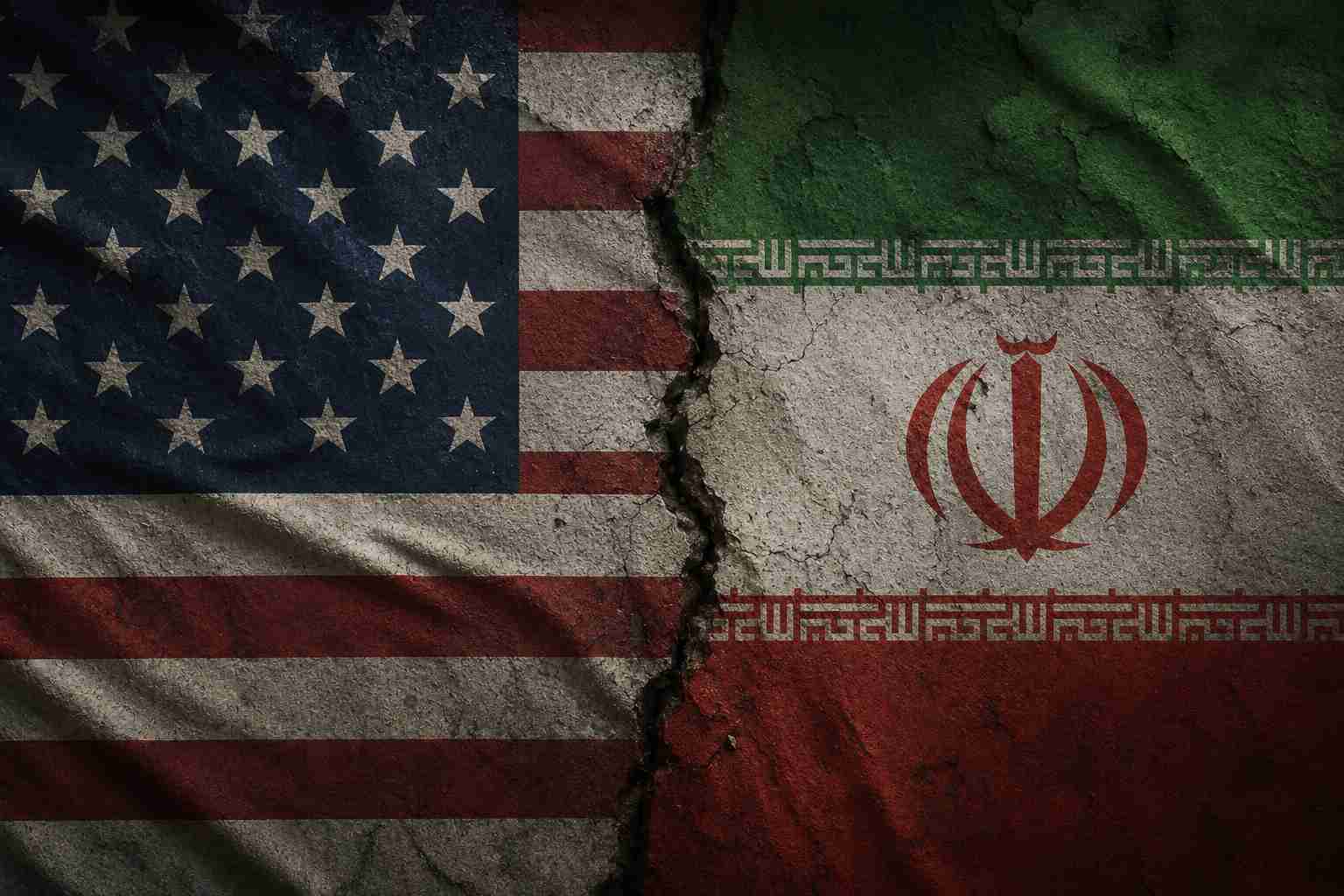
The ceasefire between the United States and Iran is not being negotiated at a table anymore. It is being negotiated through the Strait of Hormuz, one missile exchange at a time.
Iranian forces launched attacks on American military infrastructure across the Gulf on Thursday, striking at Patriot systems in Kuwait, an early warning site in Qatar and a U.S. Army fuel depot in Bahrain, according to Reuters. The barrage came in direct response to a fresh round of American strikes that hit roughly 90 Iranian military targets, including air defense systems, coastal surveillance assets and missile storage sites, a campaign U.S. Central Command said was designed to protect freedom of navigation through the strait.
President Donald Trump framed the American strikes as payback for Iranian attacks on Qatari and Saudi shipping vessels earlier in the week, warning on Truth Social that a repeat would bring an even harsher response. Iranian officials said the U.S. attacks killed 14 people and injured 78 across five provinces, with explosions reported near the perimeter of the Russian built nuclear power plant at Bushehr.
The timing carried its own weight. The strikes and counterstrikes unfolded on the same day Iran buried Supreme Leader Ayatollah Ali Khamenei at a shrine in Mashhad, closing a week of mass funeral processions. Khamenei was killed in an airstrike on the first day of the war in late February, and crowds at his burial carried banners with open threats against the American president.
Here is the interesting part, and the part that separates this moment from a conventional slide back into war. Neither side is behaving as if the fighting is the point. The fighting is the message.
Trump has declared the truce over, told reporters he is not sure he wants a deal, and floated seizing the oil hub of Kharg Island. Yet he has also insisted the strikes do not signal a return to full scale war, saying any action would happen fast and would not last long, according to the Associated Press. Analysts see a familiar pattern. Michael Eisenstadt of the Washington Institute for Near East Policy argued that the administration remains in negotiating mode regardless of the president's public declarations, and that pronouncing the agreement dead is itself a bargaining move.
Iran is playing the same game with different cards. Tehran has largely taken control of the Strait of Hormuz, the chokepoint that handled about a fifth of global oil supplies before the war. Iran's Revolutionary Guards say vessel traffic has recovered to roughly half of prewar levels, but only for ships using routes designated by Tehran. Lead negotiator Mohammad Baqer Qalibaf made the leverage explicit, declaring that the strait would reopen only on Iranian terms and that the era of pressure tactics leads nowhere.
In other words, Iran cannot defeat the American military, but it does not need to. It needs to hold the waterway hostage long enough to extract the economic relief promised under the interim deal. Ali Vaez of the International Crisis Group called the American approach an attempt to raise the military temperature without shutting the diplomatic door, while warning that coercive bargaining can develop a momentum of its own and become the very war it was meant to prevent.
The diplomatic scramble behind the scenes reflects how much both capitals still want an exit. The foreign ministers of Pakistan and Qatar, along with Egypt's intelligence chief, are leading round the clock mediation, with Turkish President Recep Tayyip Erdogan and Saudi leaders also involved, a regional intelligence official told the Associated Press. Qatar, which hosts the largest U.S. base in the region, condemned the shipping attacks while calling for a return to diplomacy.
Iran's diplomats are fighting the narrative battle as aggressively as its military is fighting the physical one. Iran's embassy in Turkey rejected NATO's characterization of the strait crisis and Tehran's nuclear program as baseless and politically motivated, insisting the country has played a responsible role in Gulf maritime security and blaming the United States and other outside actors for regional instability, Fox News reported, citing Iran's state run IRNA news agency.
Hovering over all of it is a clock that has nothing to do with the Middle East. American midterm elections arrive in less than four months, and every strike on the strait pushes oil futures higher and gas prices with them. Trump has alternated between dismissing the price impact and acknowledging that oil drives everything else in the economy. Iran, starved for sanctions relief, needs the deal it keeps shooting at. Washington, staring down voter discontent at the pump, needs the calm it keeps bombing away.
That is the paradox defining this crisis. Both sides have every incentive to make peace and every instinct to make it through violence. The Strait of Hormuz has become the table, the missiles have become the talking points, and the rest of the world is left watching two adversaries negotiate in the only language they currently trust.
Sources: Reuters, The Associated Press